
How Wearable Technology Can Support Your Health Goals
Taking care of your health can feel like a lot, especially when you are trying to keep up with appointments, medications, exercise, sleep, and daily routines. The good news is that wearable technology can make some of that easier. These simple devices can help you keep track of important health habits and give you a clearer picture of how your body is doing each day.
If you are looking for practical ways to improve your health, wearable technology may be a helpful tool. It can support healthy habits, help you notice changes sooner, and give you useful information to share with your care team. When used the right way, it can help you feel more confident, more informed, and more in control.
In this article, you will learn how wearable technology can help with movement, heart health, sleep, safety, and more. You will also learn why having the right support makes these tools even more valuable.
What Is Wearable Technology?
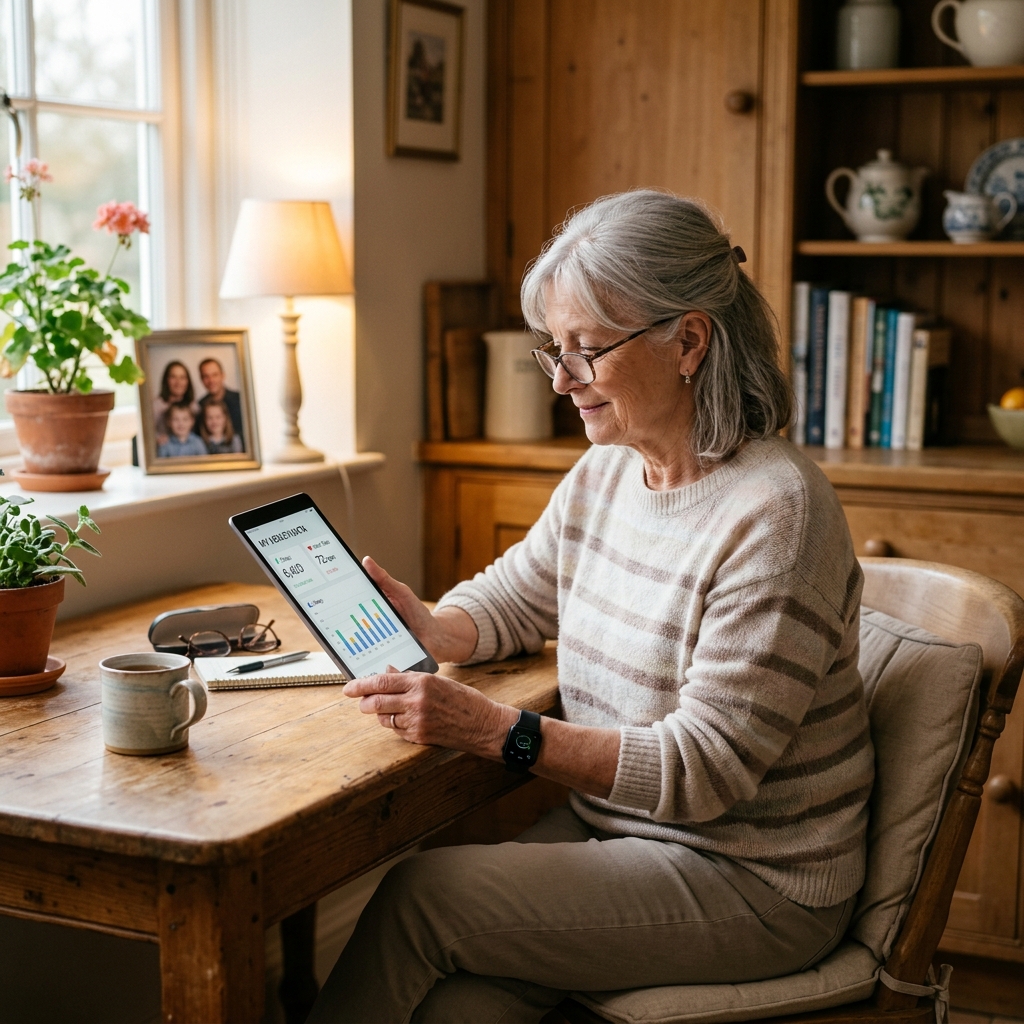
Wearable technology includes devices you wear on your body that collect health information. Many people use smartwatches or fitness trackers, but wearable tools can also include clip-on devices, smart jewelry, special clothing, and other simple monitors.
These devices can track things like:
- Steps
- Heart rate
- Sleep
- Activity level
- Calories burned
- Reminders for movement or medication
- Fall alerts in some devices
For many older adults, the biggest benefit is simple: wearable technology can help turn health information into something you can see and act on.
Why Wearable Technology Matters for Older Adults
As we get older, staying healthy often means paying closer attention to small changes. Maybe you want to walk more, sleep better, manage blood pressure, or feel safer at home and on the go. A wearable device can help by giving you daily feedback in a simple, easy-to-follow way.
This does not mean you have to become a technology expert. Many devices are designed to be easy to use. Some work with just a few taps. Others collect information automatically in the background.
The goal is not to make health more complicated. The goal is to make it easier to stay aware, stay motivated, and stay connected to the support you need.
7 Ways Wearable Technology Can Help You Reach Your Health Goals
1. It Can Help You Move More
One of the most common uses for wearable technology is step tracking. Seeing how much you walk each day can be a strong motivator. It gives you a clear starting point and helps you set simple goals.
Even small increases in movement can make a difference. If you have been sitting more than usual, a wearable device can remind you to get up, stretch, and take a short walk. Those small actions can add up over time.
Moving more may help support:
- Heart health
- Balance and strength
- Weight management
- Energy levels
- Mood
Mini takeaway: You do not have to make big changes all at once. A few more steps each day is a good place to start.
2. It Can Support Healthy Eating Habits
Some wearable devices work with apps that help you track meals, water intake, and daily habits. This can be useful if you are trying to lose weight, manage a health condition, or simply make better food choices.
Writing down what you eat helps you notice patterns. You may find that you skip meals, do not drink enough water, or snack more when you are tired or stressed. Once you see those habits more clearly, it becomes easier to improve them.
Wearable tools may help you:
- Track meals and snacks
- Monitor water intake
- Notice eating patterns
- Stay focused on nutrition goals
Mini takeaway: Better eating habits often start with awareness. When you know your patterns, you can make better choices.
3. It Can Help You Keep an Eye on Heart Health
Many wearable devices can track heart rate throughout the day. Some can also alert you to changes that may need attention. While these devices do not replace medical care, they can give you useful information to discuss with your provider.
This can be especially helpful if you are managing blood pressure concerns, heart rhythm issues, or other ongoing health needs. When you have more information, you and your care team can make better decisions together.
Heart-related features may include:
- Resting heart rate tracking
- Heart rate during exercise
- Irregular rhythm alerts on some devices
- Blood pressure tracking on select devices
If something seems off, do not ignore it. A wearable device may help you spot a concern sooner, but your doctor or care team should always guide the next step.
Mini takeaway: Wearable technology can help you stay alert to changes, but it works best when used along with professional care.
4. It Can Improve Your Workouts
If you already exercise, wearable technology can help you do it more safely and effectively. It can show how hard you are working and help you avoid doing too much too fast.
For older adults, this matters. The right amount of activity can improve strength, balance, and endurance. Too much strain can lead to soreness, exhaustion, or injury. A wearable device can help you find a healthy pace.
It may help you monitor:
- Heart rate during activity
- Time spent exercising
- Distance walked
- Calories burned
- Recovery after activity
Not this: pushing yourself too hard because you think more is always better.
Do this instead: use your device as a guide so you can build steady, safe progress.
5. It May Help Detect Falls and Improve Safety
Falls are a serious concern for many older adults. Some wearable devices include fall detection features that can sense a sudden drop and send an alert. In some cases, they can notify a loved one or emergency contact.
This feature can provide peace of mind, especially if you live alone or spend time by yourself during the day. It can also help family members feel more at ease.
Fall-related features may offer:
- Automatic fall alerts
- Emergency calling options
- GPS location in some devices
- Added peace of mind for you and your family
It is important to remember that these features are not perfect. They should be seen as one part of a safety plan, not the only plan.
Mini takeaway: Fall detection can be a valuable layer of support, especially when combined with regular care and home safety habits.
6. It Can Help You Recover After Activity
Recovery matters just as much as exercise. If you do too much without enough rest, your body may feel run down. Some wearable devices can help you understand whether your body is ready for more activity or needs time to recover.
This can be helpful if you are walking more, returning to exercise, or trying to build strength after time away from activity. Paying attention to recovery may help prevent soreness, fatigue, and setbacks.
Recovery support may include:
- Heart rate trends
- Sleep tracking
- Activity balance
- Reminders to rest
Mini takeaway: Progress is not just about doing more. It is also about giving your body the time it needs to recover.
7. It Can Support Better Sleep Habits
Sleep is a big part of good health. Poor sleep can affect mood, memory, energy, and even heart health. Many wearable devices track how long you sleep and may show patterns over time.
This information can help you notice whether you are getting enough rest. You may also see if your sleep routine changes when you exercise more, eat later, or feel stressed.
A wearable device may help you:
- Track hours slept
- Notice sleep patterns
- Build a more regular bedtime routine
- Spot changes worth discussing with a provider
If you often wake up tired or have concerns about your sleep, talk with a healthcare professional. A device can offer clues, but it cannot diagnose a sleep problem.
Mini takeaway: Better sleep starts with understanding your habits. A wearable device can help you see patterns you may otherwise miss.
What to Think About Before You Start
Wearable technology can be helpful, but it is not one-size-fits-all. Before buying or using a device, think about what matters most to you.
Ask yourself:
- Do I want help with steps, heart rate, sleep, or safety?
- Is the device easy to read and use?
- Will I wear it every day?
- Does it fit my budget?
- Can I share the information with my care team if needed?
It is also wise to remember that no device is perfect. Readings can sometimes be off. That is why wearable technology should support your health decisions, not make them for you.
Wearable Technology Works Best With the Right Support
A device can give you data. Support helps you turn that data into action.
That is where a strong care team can make a real difference. When you have guidance, encouragement, and regular follow-up, it becomes easier to understand what your numbers mean and what steps to take next. You do not have to sort through it all on your own.
With the right support, wearable technology can become more than a gadget. It can become part of a plan that helps you:
- Stay connected to your health goals
- Catch concerns earlier
- Build healthier daily habits
- Feel more confident between office visits
- Improve your quality of life over time
Take the Next Step With HealthyConnect Concierge
Wearable technology can be a smart way to support your health, but you do not have to do it alone. With HealthyConnect Concierge, you get caring support, helpful guidance, and tools that make it easier to stay on top of your health between regular office visits.
If you are ready for a simpler, more supported way to manage your health, now is a great time to take the next step.
Sign Up for HealthyConnect Concierge
A little support can go a long way. Join HealthyConnect Concierge and take an important step toward better health, greater confidence, and more peace of mind